
Ultimate Guide To Foundation Repair Products For Structural Safety
Get insights into essential products that reinforce your foundation and safeguard your home against future damage.
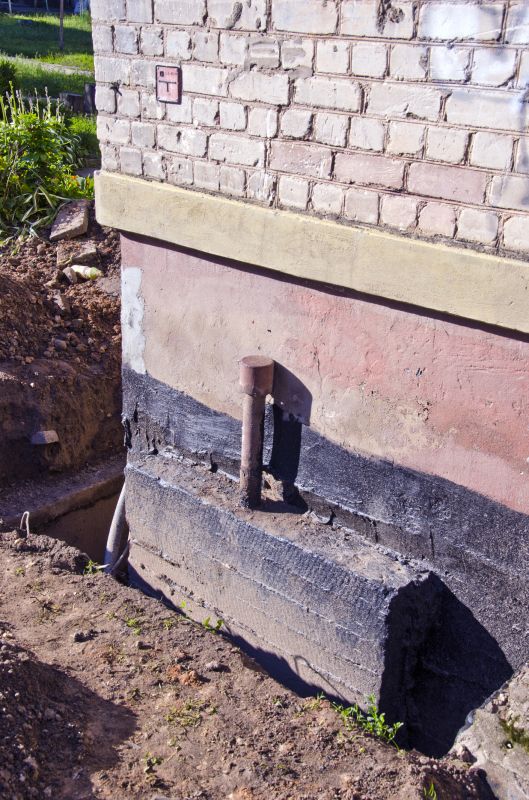 Foundation repairs are a crucial aspect of maintaining the structural integrity of a building, especially in areas like Waterford, MI where soil conditions and weather patterns can impact the stability of structures. Various products are available to address foundation issues, ranging from small repairs to extensive stabilization solutions. Selecting the appropriate products depends on the specific problem, the extent of damage, and the type of foundation involved. It is essential to understand the different options to ensure effective and long-lasting repairs.
Top Overall Option
Hydraulic Foundation Jack System
A hydraulic foundation jack system offers a versatile and controlled way to lift and stabilize sinking or settling foundations. Designed for precision, these systems can be used in various scenarios, from minor adjustments to more significant lifting needs. They are compatible with different foundation types and can be operated manually or with power sources, providing flexibility for professional and DIY applications. Proper use of hydraulic jacks can help distribute weight evenly and minimize potential damage during repairs.
Types of Products For Foundation Repairs
Hydraulic Jacks
Used to lift and level foundations with controlled force, suitable for various repair needs.
Underpinning Systems
Provides additional support beneath the foundation to prevent further settling or shifting.
Carbon Fiber Wall Reinforcement
Reinforces bowed or cracked basement walls with strong, lightweight materials.
Epoxy Crack Fillers
Seals cracks in concrete to restore structural integrity and prevent water infiltration.
Concrete Piers and Push Piers
Supports and stabilizes foundations by transferring load to stable soil.
Soil Stabilization Products
Improves soil conditions around the foundation to reduce movement and shifting.
Wall Braces and Supports
Prevents or corrects bowing and cracking in basement walls.
Grouting Materials
Fills voids and strengthens soil or concrete surfaces around the foundation.
Drainage Systems
Reduces water accumulation around the foundation to prevent erosion and shifting.
Sealants and Waterproofing Membranes
Protects foundation surfaces from water damage and moisture intrusion.
Vapor Barriers
Reduces moisture migration into basement or crawl space areas.
Foundation Repair Kits
Comprehensive sets containing multiple tools and materials for small to medium repairs.
Popular Choices
Widely used for precise lifting and leveling of foundations in various repair projects.
Commonly selected for reinforcing cracked basement walls with minimal invasiveness.
Popular for sealing cracks and restoring concrete surfaces in foundation repairs.
Frequently chosen for deep foundation stabilization and support.
Often used to improve soil conditions around the foundation to reduce future movement.
Effective for preventing or correcting bowing walls in basement structures.
Popular for protecting foundations from water infiltration and moisture issues.
Commonly installed to manage water around foundations and prevent erosion.
Widely used to seal small cracks and prevent water intrusion.
Convenient for DIY repairs, combining multiple essential products.
Foundation repair products typically include hydraulic jacks, underpinning systems, wall braces, and epoxy injections. These tools and materials are designed to lift, stabilize, and reinforce foundations. For instance, hydraulic jacks can be used to lift sunken sections of a foundation, while underpinning systems provide additional support beneath the structure. Wall braces help prevent bowing or cracking in basement walls, and epoxy injections are used to fill cracks and restore the integrity of concrete surfaces.
Proper installation and selection of foundation repair products are vital for safety and durability. Professionals often evaluate the soil conditions, foundation type, and extent of damage before recommending specific solutions. While some products are suitable for DIY projects, most foundation repairs require expert assessment to avoid further issues. Investing in quality products and professional guidance can help ensure that repairs are effective and that the foundation remains stable over time.
In Waterford, MI, where weather fluctuations and soil types can influence foundation stability, choosing the right products becomes even more important. Regular inspections and timely repairs using appropriate foundation repair products can help prevent more severe structural problems in the future. Whether dealing with minor cracks or major shifts, understanding the available products and their applications can support homeowners and contractors in making informed decisions for foundation health.
Key Buying Considerations
- Assess the extent and type of foundation damage to select appropriate products.
- Consider the soil conditions and drainage around the property.
- Determine whether professional installation or DIY is suitable for your project.
- Check product compatibility with your foundation type (concrete, masonry, pier and beam, etc.).
- Evaluate the load-bearing requirements and capacity of repair products.
- Review the ease of use and installation procedures for each product.
- Ensure the products are designed for long-term durability and stability.
- Consider the environmental conditions, such as moisture levels and freeze-thaw cycles.
- Look into warranty or guarantee options for the repair products.
- Factor in the overall cost, including potential labor if hiring professionals.
- Verify if the products meet local building codes and safety standards.
- Research customer reviews and expert recommendations for insights.
- Identify whether additional tools or materials are needed for installation.
- Plan for future inspections and maintenance to monitor foundation health.
- Consult with a foundation repair specialist for tailored recommendations.